
Hey there! As a supplier of the Dishwashing Machine Hood Type, I've seen firsthand how different water qualities can impact these machines. Today, I want to chat about the problems you might run into when using our Dishwashing Machine Hood Type with hard water.
First off, let's talk about what hard water actually is. Hard water contains a high concentration of minerals, mainly calcium and magnesium. These minerals are picked up as water travels through the ground and dissolves rocks and soil. It's not a bad thing in itself, but when it comes to dishwashers, it can cause a whole bunch of issues.
One of the most common problems is limescale buildup. When hard water is heated in the dishwasher, the minerals in it start to come out of solution and form a hard, crusty deposit known as limescale. This can happen on various parts of the Dishwashing Machine Hood Type, such as the heating element, spray arms, and even inside the water pipes.
The limescale buildup on the heating element can be a real pain. It acts as an insulator, which means the heating element has to work harder to heat the water. This not only increases energy consumption but also shortens the lifespan of the heating element. You'll find that your dishwasher takes longer to heat the water, and it might even start to overheat, triggering the safety mechanisms and shutting down the machine.
The spray arms are another area where limescale can cause problems. The small holes in the spray arms can get clogged with limescale, which reduces the water pressure and the effectiveness of the spray. This means that your dishes won't get cleaned as thoroughly as they should, and you might have to rewash them by hand. Over time, the clogged spray arms can also lead to uneven water distribution inside the dishwasher, leaving some dishes dirty while others are soaked.
Inside the water pipes, limescale can restrict the flow of water. This can lead to low water pressure, which affects the overall performance of the Dishwashing Machine Hood Type. You might notice that the water isn't filling the dishwasher as quickly as it used to, or that the rinse cycles aren't as effective. In severe cases, the pipes can become completely blocked, causing the dishwasher to malfunction.
Another issue with hard water is that it can react with the detergent you're using. Detergents are designed to work best in soft water, and when they come into contact with hard water, the minerals can react with the detergent molecules and form insoluble salts. These salts can reduce the effectiveness of the detergent, leaving a film on your dishes and making them look dull and dirty. You might also notice that there's more suds in the dishwasher, but this doesn't necessarily mean that the dishes are getting cleaner.
The film left on the dishes by the reaction between the hard water and the detergent can also be a breeding ground for bacteria. This can be a real concern, especially in commercial settings where food safety is a top priority. If the dishes aren't properly cleaned and sanitized, it can lead to the spread of foodborne illnesses.
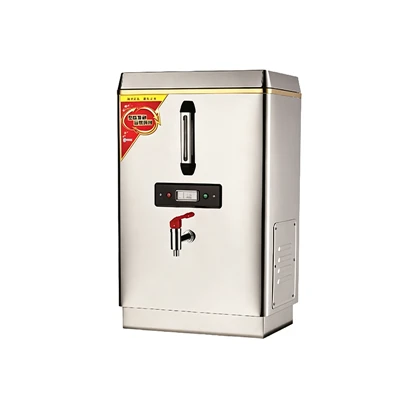
So, what can you do to prevent these problems? One option is to install a water softener. A Commercial Water Supply Station can help remove the minerals from the water before it enters the dishwasher, which reduces the risk of limescale buildup and improves the performance of the detergent. Another option is to use a descaling agent regularly to remove any limescale that has already formed.
In addition to addressing the hard water issue, it's also important to choose the right detergent for your Dishwashing Machine Hood Type. Look for a detergent that is specifically designed for use with hard water. These detergents contain additives that help prevent the formation of limescale and improve the cleaning power in hard water conditions.
If you're in the market for a new dishwasher, we also offer a range of other commercial dishwashing options. Our Conveyor Commercial Dishwasher is perfect for high-volume kitchens, while our Heavy Duty Water Boiler ensures a steady supply of hot water for efficient cleaning. And don't forget about our Commercial Disinfection Cabinet, which is great for keeping your dishes sanitized.

If you're experiencing any of the problems I've mentioned above with your current dishwasher or if you're looking to upgrade to a Dishwashing Machine Hood Type, I'd love to help. We have a team of experts who can provide you with personalized advice and recommendations based on your specific needs. Whether you're a small restaurant, a large hotel, or a catering service, we have the right solution for you.
Don't let hard water problems ruin your dishwasher's performance. Get in touch with us today to discuss your options and find the best way to keep your dishes clean and your dishwasher running smoothly. We're here to make your life easier in the kitchen!
References
- "Water Hardness and Its Effects on Dishwashers." Journal of Appliance Science.
- "Preventing Limescale Buildup in Dishwashers." Home Appliance Research Report.
- "The Impact of Hard Water on Detergent Performance." Cleanliness and Hygiene Journal.