
As a supplier of a Commercial Water Supply Station, I've learned that keeping accurate records is super important. It's not just about following the rules; it helps us run our business smoothly and keep our customers happy. So, what kind of records should a commercial water supply station keep? Let's dive in.
Water Source Records
First off, we need to keep detailed records about our water sources. This includes information on where the water comes from - whether it's a well, a river, or a municipal supply. We note down the location, the quality of the water at the source, and any permits or approvals we have for using that source.
For example, if we're using a well, we record the depth of the well, the water level over time, and the results of regular water quality tests. These tests check for things like bacteria, chemicals, and minerals. By monitoring these factors, we can ensure that the water we're supplying is safe and clean. If we notice any changes in the water quality at the source, we can take action right away to prevent problems downstream.
Treatment Process Records
Once the water reaches our station, it goes through a treatment process. We have to keep records of every step of this process. This includes the type and amount of chemicals used for disinfection, filtration, and other treatment methods. We also record the operating conditions of the treatment equipment, like the flow rate, pressure, and temperature.
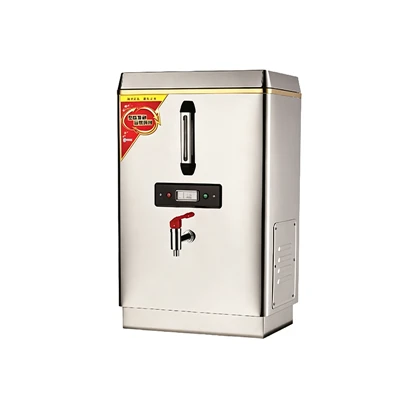
Let's say we use a Heavy Duty Water Boiler to heat the water as part of the treatment. We'd record how long the water is heated, the temperature it reaches, and any maintenance or repairs done on the boiler. This information helps us optimize the treatment process, ensure the water meets the required standards, and troubleshoot any issues that might arise.
Distribution System Records
The records don't stop after the water is treated. We need to track how the water is distributed to our customers. This involves keeping records of the pipes, valves, and other components of the distribution system. We note down the installation dates, maintenance schedules, and any repairs or replacements that have been made.
For large - scale distribution, we also record the water pressure and flow rate at different points in the system. If there's a drop in pressure or a change in flow, it could indicate a leak or a blockage. By having detailed distribution system records, we can quickly identify and fix these problems, minimizing disruptions to our customers' water supply.
Customer Records
Our customers are the heart of our business, so keeping good customer records is a must. We record basic information like the customer's name, address, and contact details. We also keep track of their water usage over time. This helps us understand their consumption patterns and offer them appropriate service plans.
For commercial customers, we might also record the type of business they run and how they use the water. For instance, a restaurant using a Dishwashing Machine Hood Type will have different water usage requirements compared to a small office. By understanding these differences, we can better meet their needs and provide more personalized service.
Quality Control Records
Quality control is a continuous process. We conduct regular water quality tests at various stages - at the source, after treatment, and at different points in the distribution system. We keep records of all these test results, including the date, time, location, and the specific parameters that were tested.
If a test shows that the water quality doesn't meet the standards, we note down the corrective actions we take. This could involve adjusting the treatment process, replacing a faulty component in the distribution system, or conducting additional tests. These records not only help us maintain the quality of our water supply but also serve as evidence of our compliance with regulatory requirements.
Billing and Payment Records
Running a business means dealing with money. We keep detailed records of our billing and payment processes. This includes the amount of water used by each customer, the rate at which they're being billed, and the due dates for payments.
We also record any late payments or outstanding balances. By having a clear record of billing and payments, we can manage our cash flow effectively and follow up with customers who haven't paid on time. It also helps us resolve any billing disputes quickly and fairly.
Equipment Maintenance Records
All the equipment at our commercial water supply station, from pumps to filters, needs regular maintenance. We keep records of when each piece of equipment was last serviced, what maintenance tasks were performed, and any parts that were replaced.
Take a Conveyor Commercial Dishwasher in a customer's establishment that uses our water supply. If we provide maintenance services for it, we record all the details. This helps us prolong the lifespan of the equipment, reduce the risk of breakdowns, and ensure that it operates efficiently.
Emergency Response Records
Emergencies can happen, like a sudden water shortage or a contamination incident. We need to keep records of any emergency situations that occur, including the date, time, and nature of the emergency.
We also record the actions we took to respond to the emergency. This could involve shutting down parts of the distribution system, notifying customers, or implementing alternative water supply measures. These records help us learn from the experience and improve our emergency response plans for the future.

Regulatory Compliance Records
The water supply industry is highly regulated. We have to keep records to prove that we're complying with all the relevant laws and regulations. This includes records of permits, inspections, and any communication with regulatory authorities.
For example, if a regulatory agency conducts an inspection of our Commercial Water Supply Station, we keep records of what was inspected, any findings, and the actions we took to address those findings. These records are crucial for avoiding fines and maintaining a good reputation in the industry.
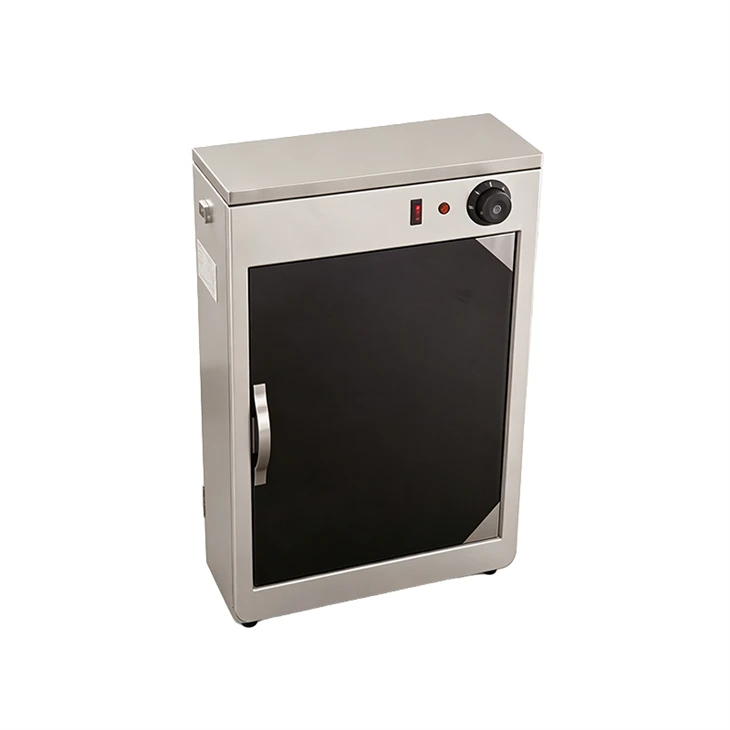
In conclusion, keeping comprehensive records at a commercial water supply station is essential for a successful and sustainable business. It helps us ensure the safety and quality of our water supply, manage our operations efficiently, and meet the needs of our customers. If you're in the market for a reliable commercial water supply or related equipment like a Commercial Disinfection Cabinet, feel free to reach out for a procurement discussion. We're here to offer the best solutions for your water supply needs.
References
- Water Supply Management Best Practices Handbook
- Regulatory Guidelines for Commercial Water Supply Stations