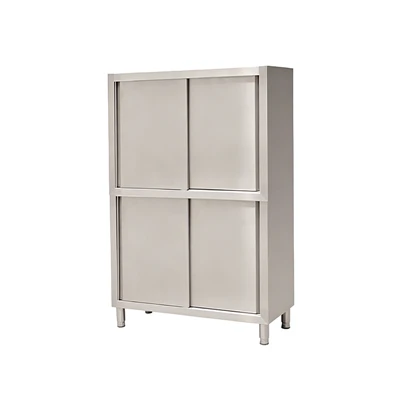

Hey there! As a supplier of Stainless Steel Storage Cupboards, I've had my fair share of dealing with all sorts of questions about these handy items. One query that pops up a lot is how to install a lock on a stainless steel storage cupboard. Well, you're in luck because I'm here to walk you through the whole process step by step.
Why Lock Your Stainless Steel Storage Cupboard?
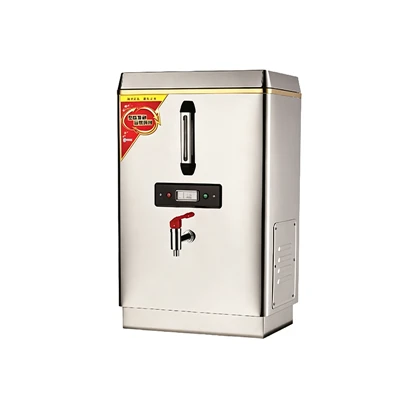
Before we jump into the installation process, let's talk about why you might want to lock your storage cupboard in the first place. Stainless steel storage cupboards are great for storing all sorts of stuff, from important documents in an office setting to valuable supplies in a cafeteria. By adding a lock, you can keep your belongings safe and secure, especially if the cupboard is in a shared or public area. Whether you're protecting some expensive Cafeteria Food Warmers or just want to keep your employees' personal items out of reach, a lock can provide that extra layer of security you need.
Tools and Materials You'll Need
Before you start the installation, it's important to gather all the necessary tools and materials. Here's a list to get you started:
- A suitable lock: There are different types of locks you can choose from, such as padlocks, combination locks, or keyed locks. Pick one that suits your needs and the type of cupboard you have.
- Measuring tape: This will help you get the right placement for the lock.
- Drill: You'll need a drill to make holes for the lock. Make sure it has the appropriate drill bits for stainless steel.
- Screwdriver: To secure the lock in place.
- Pencil: For marking the spots where you'll drill.
Step 1: Choose the Right Location for the Lock
The first step is to decide where you want to install the lock on your stainless steel storage cupboard. This usually depends on the type of lock you're using and the design of the cupboard. For most locks, you'll want to place them near the edge of the door where it meets the frame. This ensures that the lock can properly engage and keep the door securely closed.
Use your measuring tape to find the center of the edge of the door and mark it with a pencil. Then, measure the same distance on the frame of the cupboard where the lock will align when the door is closed. Mark these spots as well. Make sure the marks are clear and visible so you can easily drill the holes later.
Step 2: Drill the Holes
Once you've marked the spots for the lock, it's time to drill the holes. This is a crucial step, so take your time and be careful. First, put on some safety goggles to protect your eyes from any metal shavings. Then, attach the appropriate drill bit to your drill. For stainless steel, you'll typically need a high-speed steel or cobalt drill bit.
Start by making a small pilot hole at each of the marked spots. This helps to guide the larger drill bit and prevents it from slipping. Once you have the pilot holes, switch to the larger drill bit and carefully drill the holes to the appropriate depth for your lock. Make sure the holes are straight and clean.
Step 3: Install the Lock
With the holes drilled, it's time to install the lock. Take the lock and align it with the holes on the door and the frame. Insert the screws through the holes in the lock and into the holes you drilled in the cupboard. Use your screwdriver to tighten the screws, but be careful not to overtighten them as this could damage the stainless steel.
If you're using a padlock, you'll need to install a hasp on the door and the frame. The hasp is a metal plate with a loop that the padlock can go through. Follow the same process of marking, drilling, and screwing to attach the hasp securely.
Step 4: Test the Lock
Once the lock is installed, it's important to test it to make sure it works properly. Close the door of the cupboard and try to lock and unlock it a few times. Check that the lock engages smoothly and that the door is securely locked. If there are any issues, such as the lock not closing or opening easily, you may need to make some adjustments.
Other Considerations
When it comes to choosing a lock for your stainless steel storage cupboard, there are a few other things to keep in mind. For example, if you're using the cupboard in a cafeteria environment, you might want to consider a lock that is easy to clean and maintain. Stainless steel locks are a great option as they are durable and resistant to corrosion.
Also, think about the level of security you need. If you're storing highly valuable items, you might want to invest in a more advanced lock, such as a combination lock with a high number of possible combinations. On the other hand, if you just need basic security, a simple keyed lock might be sufficient.
Related Products for Your Cafeteria
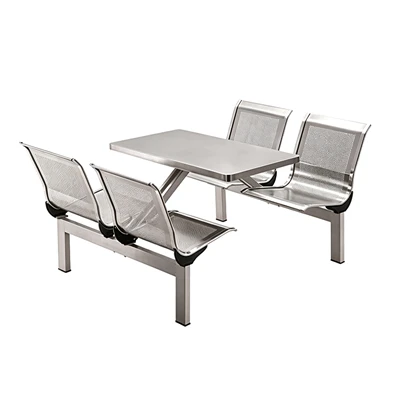
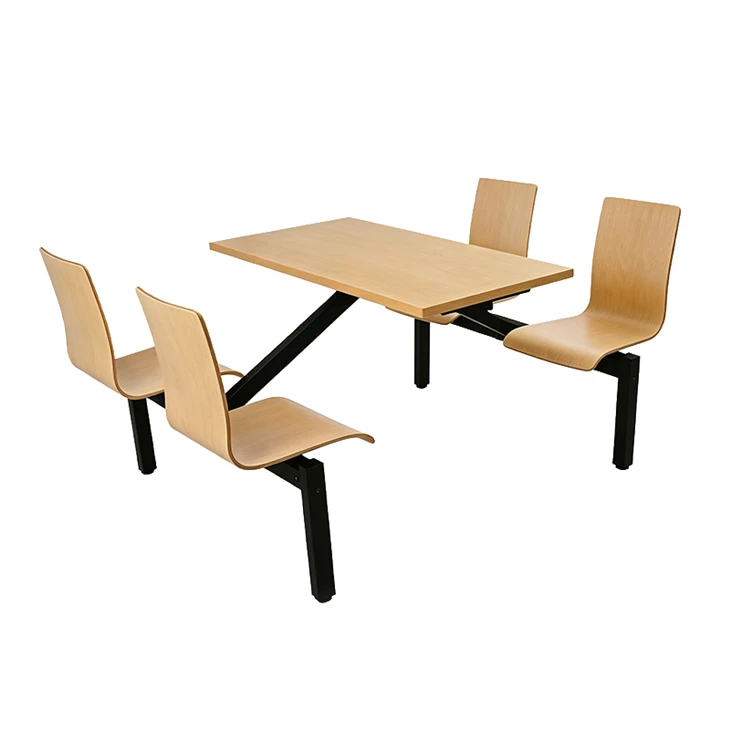
As a Stainless Steel Storage Cupboard supplier, I also want to tell you about some other great products that can be useful in a cafeteria setting. You might be interested in Set Of 4 Dining Table Chairs for your dining area. These chairs are not only comfortable but also durable, perfect for a busy cafeteria.
Another essential item is the Cafeteria Steam Table. It helps to keep your food at the right temperature, ensuring that your customers can enjoy hot and delicious meals.
And let's not forget about the Sanitization Cabinet. This is a must-have for any cafeteria to keep your utensils and equipment clean and hygienic.
Wrapping Up and Contacting Us
Installing a lock on a stainless steel storage cupboard might seem like a daunting task, but with the right tools and a little bit of know-how, it's actually quite doable. I hope this guide has been helpful to you. If you have any more questions or if you're interested in purchasing a Stainless Steel Storage Cupboard or any of our other cafeteria equipment, feel free to reach out. We're here to help you with all your storage and cafeteria needs.

References
- General knowledge from years of experience as a Stainless Steel Storage Cupboard supplier.
- Industry best practices for installing locks on metal cabinets.